
Good Work Austin and The Other Ones Foundation Bring Meals from Austin’s Favorite Restaurants to Local Shelter
Since April, Good Work Austin (GWA) and The Other Ones Foundation (TOOF) are partnering to provide meals from Austin’s favorite locally owned restaurants to residents at the City of Austin Southbridge Shelter, creating a model that supports both people experiencing homelessness and the local food and beverage workers preparing their meals.
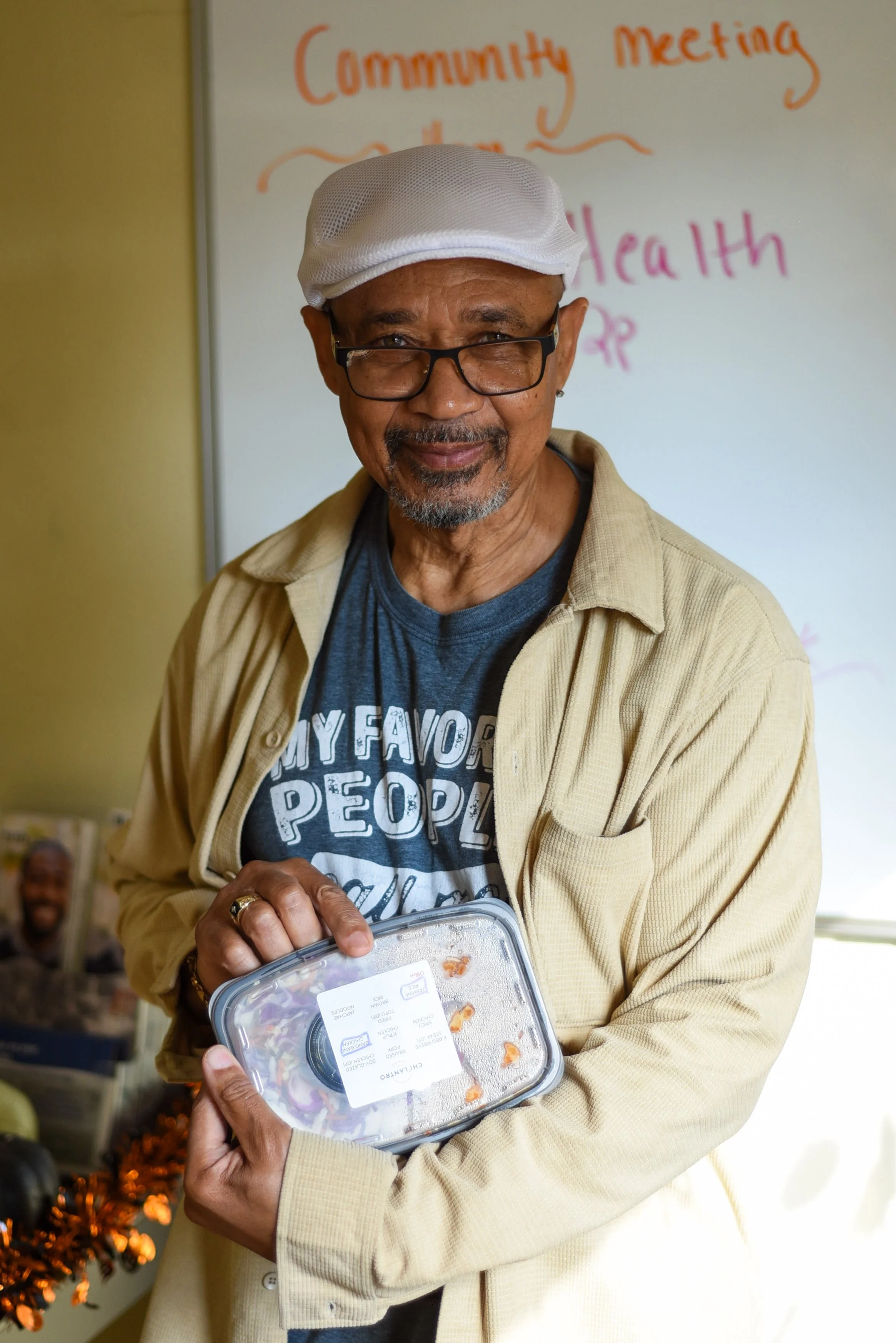
Through Good Work Austin’s Community Kitchen program, participating local restaurants prepare meals that are delivered to Southbridge Shelter. The program creates living-wage work for local food and beverage workers while providing shelter residents with healthy meals and directing dollars back into Austin’s independent restaurant community.
Since its launch during the COVID-19 pandemic, more than 60 Austin restaurants have participated in Community Kitchen, from some of the city’s Michelin-recognized restaurants to beloved mom-and-pop neighborhood shops.
Together, these restaurants have helped the program provide more than 2 million meals to food-insecure Austinites and invest more than $10 million back into local independent restaurants.
Today, Community Kitchen continues that work and is on track to provide more than 200,000 meals this year, connecting Austin’s exceptional restaurant community with neighbors who need it most.
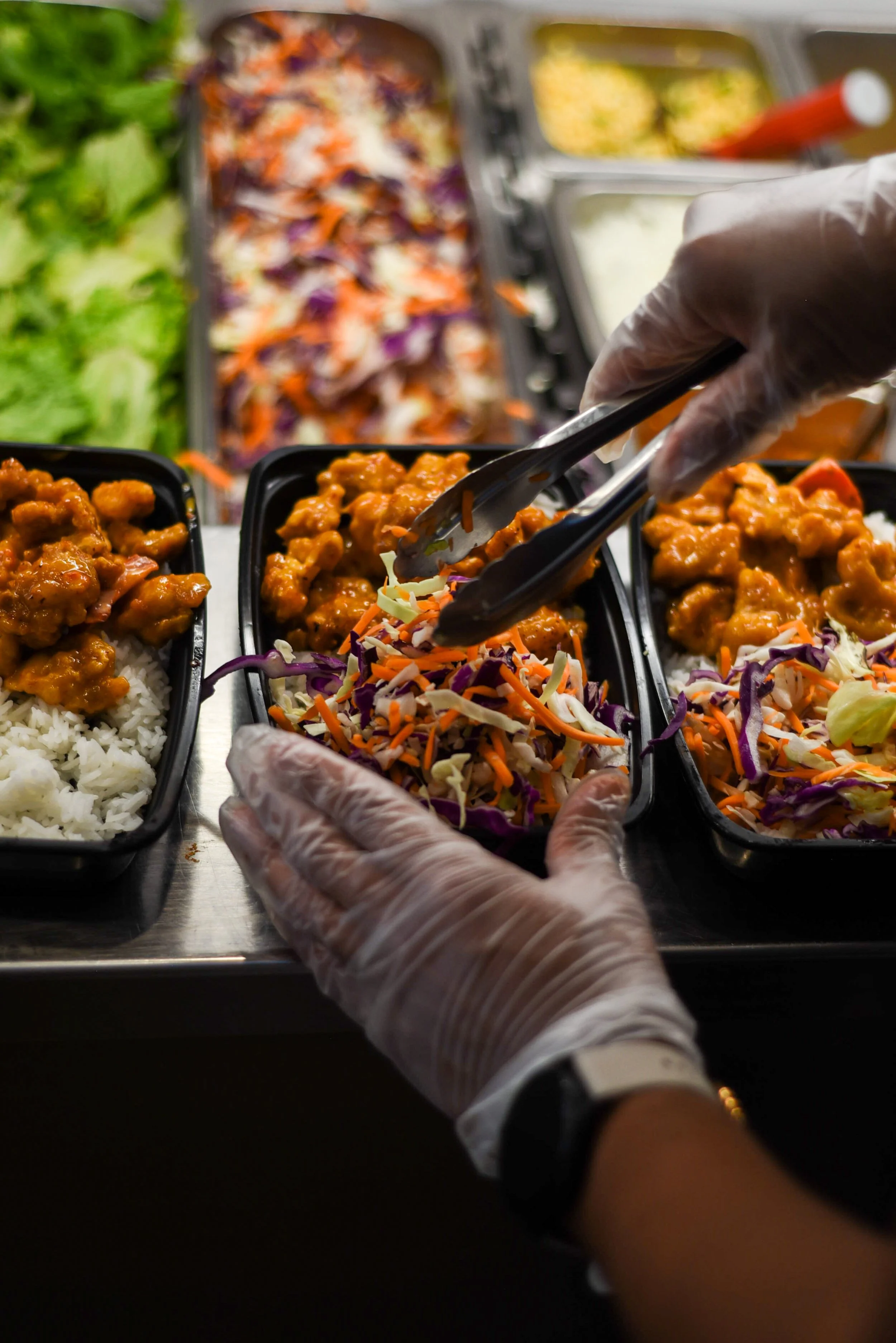
“We believe food can connect our community. It can nourish our bodies, create jobs, strengthen local businesses, and help people feel cared for and connected to one another,” said Kara Hanaoka, Executive Director of Good Work Austin.
“At the heart of this program is a simple idea: everyone in Austin should have the opportunity to enjoy the incredible food our local restaurants create. A person’s ability to pay shouldn’t determine whether they get to experience the quality, flavor, and care that our city’s restaurants have to offer. This partnership helps break down that barrier while supporting the restaurants and workers who make Austin’s food scene so special.”
The partnership also reflects a shared commitment to creating stability through employment and community support.
“We talk a lot at TOOF about the dignity of work and the role meaningful employment plays in creating stability. That’s one of the things I love about this partnership. A meal delivered to Southbridge supports our neighbors experiencing homelessness, but the impact doesn’t stop there. It also helps sustain living-wage jobs for the people preparing that food. That kind of ripple effect is what community partnership should look like,” said Liz Baker, Executive Director of The Other Ones Foundation.
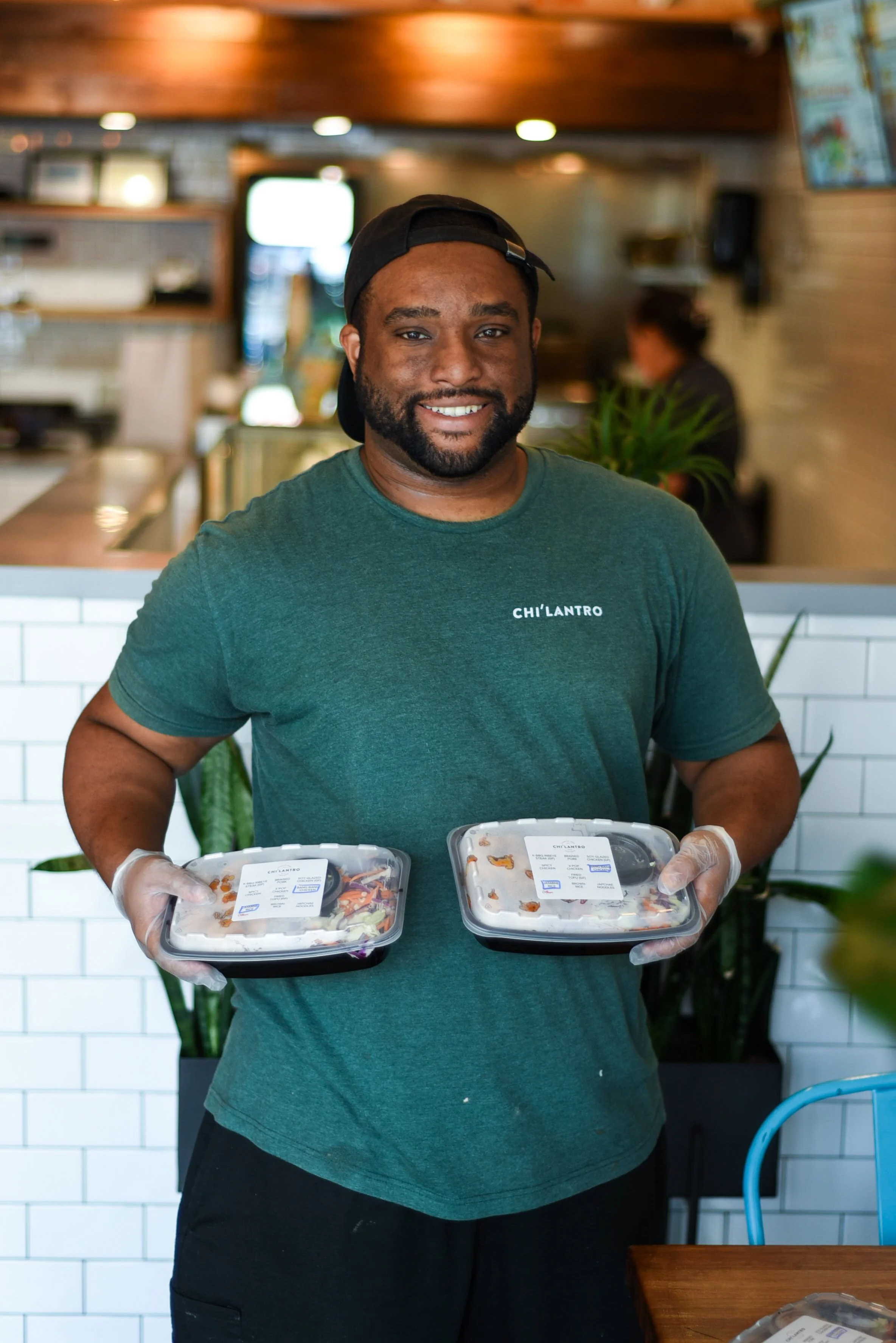
One of the restaurants participating in the program is Chi’lantro BBQ, whose meals are prepared by and delivered directly to Southbridge Shelter by their staff. The partnership demonstrates how a single meal can make a difference. Supporting a local restaurant, providing paid work for food workers, and putting a healthy meal on the table for someone experiencing homelessness.
“We’ve long admired the work Good Work Austin is doing to strengthen and create meaningful change within the restaurant industry, so we’ve been so happy to participate in its Community Kitchen program. At Chi’Lantro, our purpose is to bring people together through great food, and giving back to the communities we serve is an important part of that. This partnership allows us to provide delicious, high-quality meals to neighbors experiencing food insecurity while supporting Good Work Austin’s broader mission and generating meaningful catering business for our team. It’s a true win for everyone involved,” said Hope Furst, co-owner of Chi’Lantro BBQ.
Good Work Austin’s Community Kitchen program has evolved from its pandemic-era origins into an ongoing model for investing in Austin’s food and beverage industry while addressing food insecurity.
“Community Kitchen is one of the clearest examples of what we mean when we say doing good work is good for everybody,” Hanaoka said. “When we invest in local restaurants and the people who work in them, that investment comes back to Austin in so many ways.”