
Six Months In: What We're Learning from the Healthcare Access Pilot
Every day, 65,000 food and beverage workers make Austin the city we know and love. They bake the bread that fills our neighborhood bakeries before sunrise, prepare the meals that bring friends and families together, and keep restaurants, cafés, bars, and food trucks running from morning until late at night.
Yet many of the people behind Austin's food scene have gone without something most of us take for granted: access to affordable healthcare.
At the beginning of this year, Good Work Austin partnered with Central Health to launch our Healthcare Access Pilot, an initiative designed to change that. The pilot provides free healthcare coverage, enrollment support, healthcare navigation, and ongoing case management to uninsured food and beverage workers in Travis County.
Six months later, we're beginning to see what happens when that barrier is removed.
Healthcare is changing lives, one worker at a time
Recently, both KUT and KXAN highlighted the Healthcare Access Pilot, bringing attention to an issue that often goes unnoticed. While Austin has become nationally recognized for its restaurants and growing food scene, many of the workers who make that success possible still struggle to access healthcare.
Make it stand out
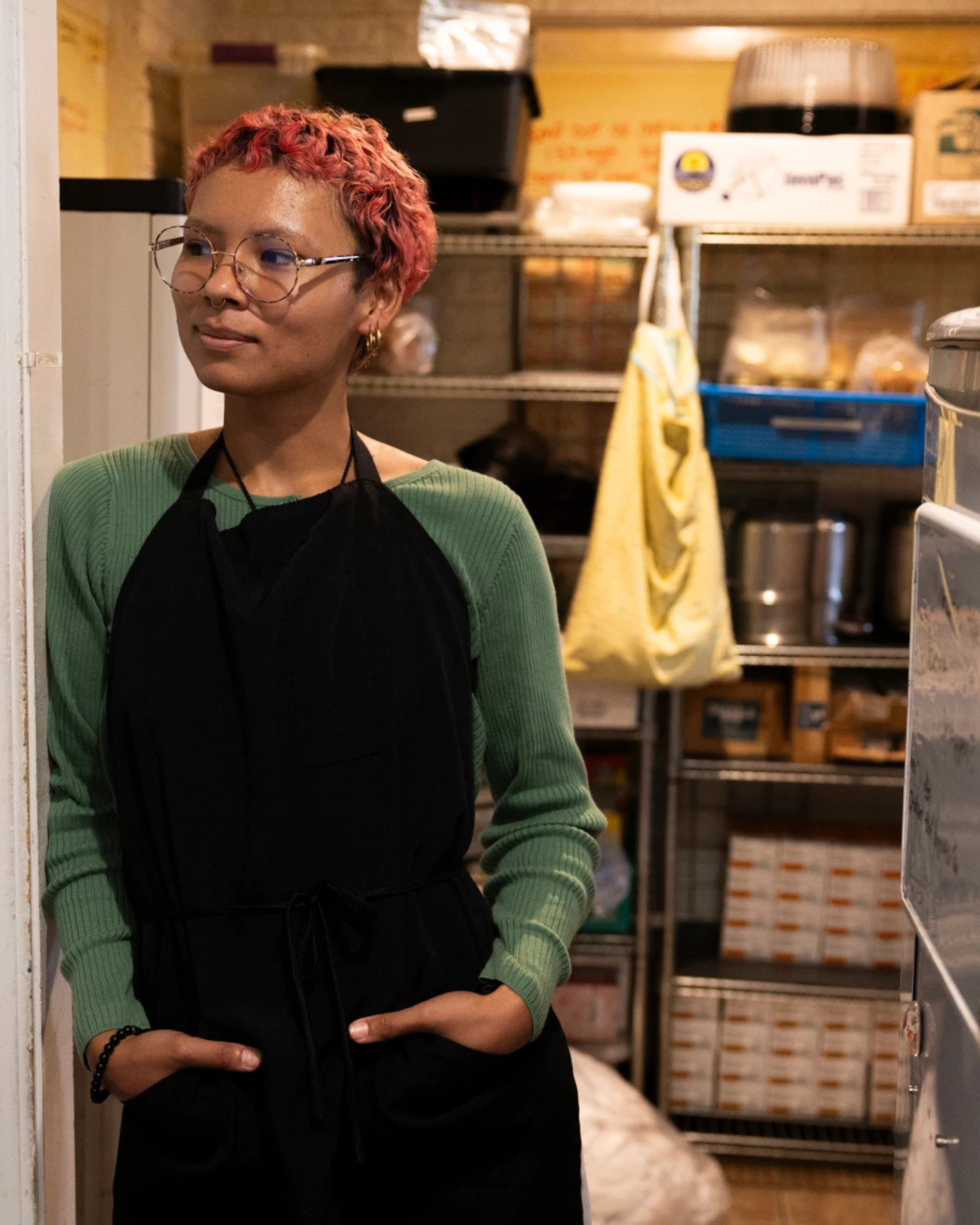
KUT shared the story of Thi Nguyen, a baker at Brentwood Social House. Like many food workers, Thi spends long hours on her feet performing physically demanding work. Before joining the pilot, she delayed routine medical care because she didn't have health insurance and worried about the cost of getting sick.
After enrolling in the Healthcare Access Pilot, Thi was able to schedule preventive care appointments she had been putting off, including an annual physical and a cervical cancer screening.
Her story reflects exactly why this program exists.
Healthcare shouldn't only be available when someone reaches a crisis. It should allow people to stay healthy, catch issues early, and seek care before small concerns become larger ones.
Photo Credit: Lorianne Willett / KUT News
What we've learned so far
The Healthcare Access Pilot enrolled 25 uninsured food and beverage workers into comprehensive health insurance coverage at the beginning of the year.
Before joining the program:
64% of participants did not have health insurance.
41% reported difficulty accessing healthcare when they needed it.
Only 23% felt very confident using their health insurance benefits.
Many participants had delayed preventive care because cost felt out of reach.
Today, participants are establishing relationships with primary care providers, completing annual wellness visits, filling prescriptions, and learning how to navigate a healthcare system that previously felt confusing or inaccessible.
For many, this is the first time they've had consistent health insurance as adults.
Just as importantly, participants aren't navigating this journey alone. Alongside premium assistance, Good Work Austin provides one-on-one support to help workers understand their benefits, schedule appointments, and connect with the care they need. Having insurance is only one piece of the puzzle. Knowing how to use it is equally important.
Supporting workers also supports local businesses
Austin's food and beverage industry contributes nearly $10 billion to the regional economy and employs approximately 65,000 workers. It is one of the city's largest industries, yet many independent restaurants simply don't have the financial capacity to offer employer-sponsored health insurance.
That's why this pilot matters for businesses, too.
By partnering with Central Health, we've created a model that helps workers access healthcare while reducing the financial burden on small, locally owned restaurants. It demonstrates how healthcare institutions, local government, nonprofits, and employers can work together to strengthen Austin's workforce.
There's still more work to do
As encouraged as we are by these early results, we've also identified an important gap.
Many workers who applied for the program earned just enough to be ineligible for premium assistance, but not enough to comfortably afford Marketplace health insurance on their own. They represent a growing group of essential workers who continue to fall through the cracks.
Over the coming months, Good Work Austin will continue working with community partners and local leaders to explore solutions that make healthcare more accessible for all food workers, regardless of where they fall on the income scale.
This pilot was never intended to be the finish line.
It was designed to answer a simple question: What happens when food workers have access to healthcare?
Six months in, the answer is becoming clear.
People are getting preventive care instead of postponing it. They're building relationships with healthcare providers instead of waiting until an emergency. They're gaining confidence in navigating a system that once felt out of reach.
We're grateful to Central Health, Foundation Communities, Sendero Health Plans, our participating restaurants, and every worker who placed their trust in this pilot. We're also thankful to KUT and KXAN for helping tell these stories and shining a light on the people who make Austin's food community possible.
This is only the start, and we're excited to keep building a healthier future for the people who feed our city.